
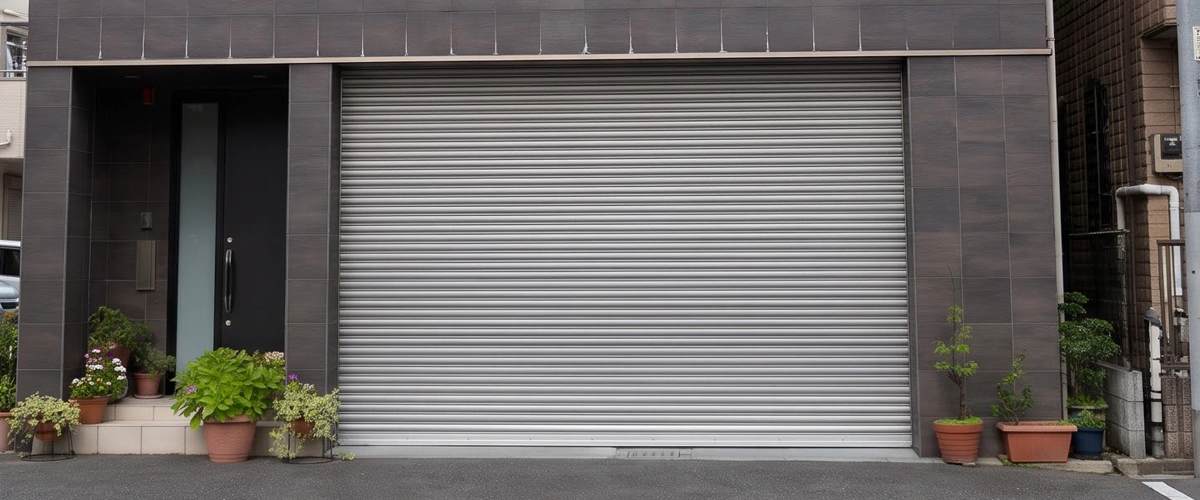
Power bills keep climbing, summers run hotter and winter nights can turn cold fast. Australian homes work hard to stay comfortable, and a big share of that heat and cold moves through the windows. Roller shutters are often seen as security features, yet they also work as thermal barriers that keep indoor temperatures steady. Elite Roller Shutters specialises in energy-efficient residential shutter installations, and this guide explains how shutters lower energy use, which materials suit your home and how to get the most from them.
The Science of Thermal Insulation: How Roller Shutters Work
External shading changes how heat reaches a building. A shutter stops sun and cold air at the outer face of a window, so your heater and air conditioner have far less energy to move around.
Creating the “Air Pocket” Insulation Layer
When a shutter is closed, a thin layer of still air sits between the glass and the curtain. Still air resists heat flow, so that layer acts as a buffer. The effect works in both directions, slowing heat on a hot afternoon and slowing warmth leaving on a cold night. It is the same principle behind double glazing, applied to the outside of the window, where it can do the most good.
Blocking Thermal Transfer Before It Hits the Glass
Internal blinds and curtains deal with heat after it has passed through the glass, and by then the glass has already warmed the room. An external shutter stops the sun’s energy before it reaches the glass at all. Less heat gets in, so there is less to remove later. That is why external shading is widely recognised as one of the most efficient ways to manage window heat.
Beating the Australian Heat: Summer Cooling Benefits
Peak summer is when air conditioners work hardest. Shutters take pressure off the system by keeping the sun’s heat out of the house in the first place.
Mitigating Greenhouse Effects in Large Glazed Areas
Floor-to-ceiling glass looks great and lets in plenty of light. In summer it also lets in a lot of solar radiation. Closing shutters over large glazed areas stops the sun from heating floors, furniture and walls inside, so the room does not behave like a greenhouse. Light and views return in the evening when you open them again.
Reducing Dependency on High-Cost Air Conditioning
A home that holds a steady temperature needs less cooling. When the air conditioner runs for shorter periods or on a gentler setting, electricity use drops, and so do summer bills. Homes with shaded windows can often run the system at an easier pace through the afternoon, which is also kind to the unit. Over a whole season, those shorter run times add up to a noticeable difference on the bill.
Trapping the Warmth: Winter Heat Retention Benefits
On cold nights, unprotected windows are among the places where a home loses the most heat. Shutters help keep that warmth inside.
Stopping Overnight Heat Loss and Cold Drafts
Lowering shutters at dusk seals in the warmth from your heater. The curtain also blocks cold wind before it reaches the glass, so rooms feel more comfortable and the heater cycles less often. Bedrooms and living rooms with large windows gain the most from this habit. Closing the shutters as the light fades takes a few seconds and pays off all night.
Eliminating Window Thermal Bridges
Glass conducts heat quickly, which makes a window the weakest point in a wall’s thermal performance. Shutters complement single or double glazing by adding another layer of resistance across the whole opening. The result is a higher overall R-value for the window and a more even temperature near the glass.
Material Matters: Aluminium vs. PVC Roller Shutters
Modern shutters are built from materials designed to insulate, and the right choice depends on the window and the home.
The Power of Polyurethane Foam-Filled Aluminium
Double-walled aluminium slats filled with polyurethane foam combine strength with insulation. The foam core slows heat moving through the slat, and the aluminium shell gives a rigid, durable profile that stands up to sun, wind and daily use. For homes focused on energy savings and long-term reliability, it is a standout option.
Matching Window Sizes to Shutter Profiles
Window orientation, exposure and size all guide the choice. West-facing windows take the afternoon sun, so a well-insulated profile makes a big difference there. Large patio doors and wide openings suit heavy-duty profiles with the strength to span the width, while smaller windows work well with lighter profiles, including PVC. A free measure lets the installer match the profile to each opening.
Strategic Operation: Timing Your Shutters for Maximum Savings
Shutters save the most energy when they open and close at the right times. A simple routine for each season makes a noticeable difference.
The Summer Protocol (Daytime Blocking vs. Night Cooling)
Close shutters in the morning on the sunny sides of the house and keep them down through the midday heat. Once the evening cools, open them to let fresh air through. Overnight breezes cool the interior, and the cycle starts the next morning again. Closing north- and west-facing windows first gives the biggest return.
The Winter Protocol (Solar Harvesting vs. Evening Insulation)
Open shutters on sunny winter days, particularly on north-facing windows, to let free solar warmth into the house. Close them at sundown to hold that heat in for the evening. The pattern uses the sun as a free heater and the shutter as a blanket.
Smart Home Integration: Automating Your Energy Savings
Automation takes the guesswork out of the routine, so your shutters work for you while you are at work or away.
Programmed Schedules and Climate Sensors
Shutters can follow a timer or react to sun, temperature and wind sensors. They lower when the sun reaches a window, rise when the day cools and hold position when conditions call for it. A home that never overheats needs less cooling, and the routine takes care of itself.
Motorisation Options and Solar-Powered Retrofitting
Electric motors raise and lower shutters at the touch of a button or a phone app. Wireless solar-powered motors suit renovations because they need no new electrical wiring and run on free energy from the sun. That makes fitting shutters to an existing home simple.
Beyond Energy: The Added Value of Elite Roller Shutters
Energy savings are only part of the picture. The same solid construction improves comfort in other ways.
Enhanced Acoustic Insulation and Noise Reduction
A shutter curtain and its air layer reduce the noise that reaches the window, from traffic and neighbours to garden equipment. Quieter bedrooms support better sleep, and living areas feel calmer.
Home Security, Privacy, and Storm Protection
A closed shutter adds a strong physical barrier at doors and windows, and it screens the view from outside for privacy. The same sturdy profile helps shield glass from wind-blown debris and hail during storms. Security, privacy and weather protection arrive alongside the energy savings.
Conclusion
Roller shutters pay back over time through lower energy bills, steadier indoor temperatures and everyday comfort. They keep heat out in summer, hold warmth in during winter and add security and quiet, all from one installation that serves the home for many years. To see what shutters can do for your home, contact Elite Roller Shutters for a free measure, a quote and a professional installation assessment tailored to your windows. The Elite Roller Shutters team will help you choose the right profile for every room.
 1300 919 999