
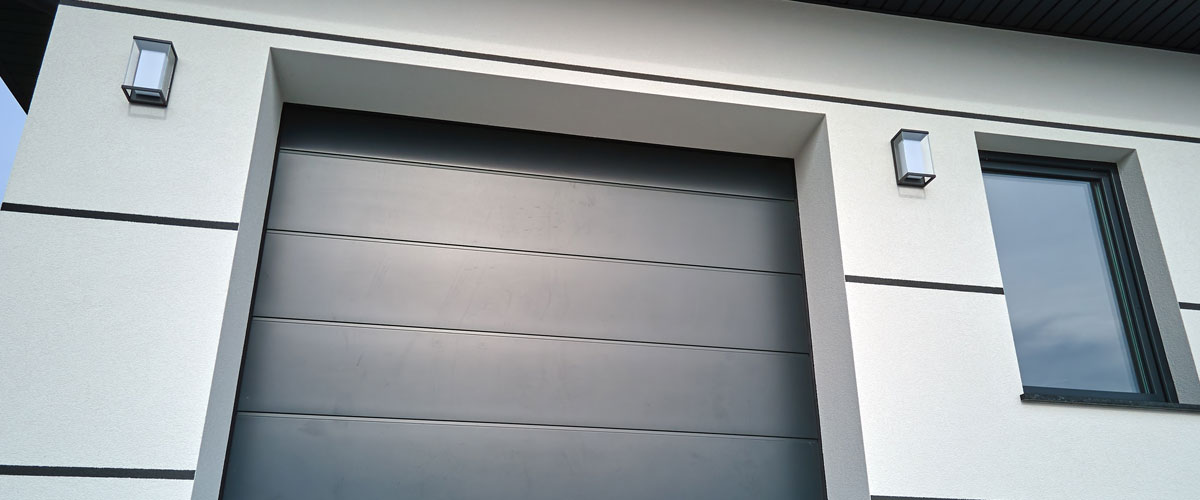
Roller shutters are a practical addition to Australian homes and businesses. They improve privacy, help manage indoor temperatures, reduce outside noise and add another layer of security. However, when choosing roller shutters, one important decision is whether to go with battery-operated or electric shutters.
Both options offer convenience, but they work differently and suit different needs. Your choice will depend on your budget, property layout, access to electricity and how often you use your shutters. Understanding the main differences can help you choose an option that works well for your home.
What Are Battery-Operated Roller Shutters?
Battery-operated roller shutters use a rechargeable battery to power the motor that opens and closes the shutter. Depending on the system, you may need to recharge or replace the battery occasionally.
These shutters suit properties where connecting the shutters to the home’s electrical system would be difficult or expensive. They can also work well for renovations where homeowners want to avoid extensive electrical work.
One of their biggest advantages is installation flexibility. Since they do not always need a direct connection to household wiring, installers can fit them in more locations with less disruption. However, you must consider battery maintenance and ensure the system has enough power for regular use.
What Are Electric Roller Shutters?
Electric roller shutters connect to your property’s electrical supply and use a motor to open and close the shutters. You can usually operate them with a wall switch or remote control, depending on the system.
These shutters are popular with homeowners who want a convenient, reliable solution for everyday use. You can open or close them without manually lifting the shutters, which is particularly helpful for large windows, multiple openings or hard-to-reach areas.
Electric shutters also suit properties where homeowners want to operate several shutters regularly. However, installation may require electrical wiring and a qualified electrician, depending on the property’s existing setup.
Battery vs Electric Shutters: Key Differences
Although both options provide motorised operation, a few differences can influence your decision.
1. Installation and Setup
Battery-operated shutters generally offer more flexibility during installation. Since they do not necessarily require a direct connection to the mains electricity supply, they can suit homes where running new cables would involve extra work.
Electric shutters may require wiring between the power supply, motor and controls. This can increase installation complexity, particularly in existing homes where walls and window frames are already finished.
If you are building a new home or planning a major renovation, arranging electrical connections early can make electric shutters easier to install.
2. Running Costs and Maintenance
Battery-operated shutters may have lower electrical installation costs in some situations. However, batteries need attention over time. Depending on the system, you may need to recharge or replace them, which can add to long-term maintenance costs.
Electric shutters draw power from your household supply when you operate them. Their motors and controls may also need occasional servicing, but you do not need to manage a separate operating battery.
The overall cost depends on the number of shutters, motor specifications, installation requirements and maintenance needs. Compare the full cost of ownership rather than looking at the initial purchase price alone.
3. Convenience and Everyday Use
Both options offer the convenience of motorised operation. You can open or close your shutters without manually pulling them up or down.
Battery-operated shutters are convenient when you want motorised control without extensive wiring. However, you need to keep battery condition in mind to avoid unexpected interruptions.
Electric shutters provide a straightforward option for frequent daily use, especially when you want to operate multiple shutters. Your experience will also depend on the controls and features included with the system.
4. Performance During a Power Outage
Power outages can affect electric roller shutters because their motors rely on the household electricity supply. Some systems include a manual override or backup battery, but you should confirm these features before purchasing.
Battery-operated shutters can continue working during a household power outage if their batteries have sufficient charge and the system remains functional.
If your area experiences frequent power interruptions, ask your installer how each option will perform in those conditions. A suitable backup feature can make a difference when you need to operate your shutters during an outage.
5. Suitability for Different Properties
Battery-operated shutters can suit existing homes, renovated properties and locations where electrical access is limited. They offer flexibility without requiring extensive changes to the property’s wiring.
Electric shutters can work well in new builds and homes with suitable electrical connections. They are also worth considering when you plan to install several motorised shutters and use them regularly.
Neither option suits every property automatically. Window size, shutter weight, motor capacity and the manufacturer’s specifications will all influence which system works best.
Which Roller Shutters Should You Choose?
The right choice depends on your priorities and how you plan to use your shutters.
Choose battery-operated shutters if you want flexibility. They can suit renovations, properties with limited wiring access and installations where you want to minimise electrical work. Remember to account for battery maintenance and charging requirements.
Choose electric shutters if you prefer a consistent power supply. They can suit new homes, properties with existing electrical connections and households that operate their shutters frequently. Make sure you understand the wiring requirements and whether you need backup operation during outages.
If you are still unsure, speak with a roller shutter professional. They can assess your windows, explain the available motor options and recommend a system that fits your property and budget.
Other Factors to Consider Before Buying
Before making a final decision, look beyond the power source. Check the shutter material, security features, insulation performance, warranty and motor quality. Ask whether the system supports remote controls, timers or smart-home integration if these features matter to you.
You should also consider your local climate. Australian homes face different conditions, from hot summers to strong winds and coastal environments. Choose shutters designed for your property’s exposure and follow the manufacturer’s recommendations for care and maintenance.
Finally, confirm the total installation cost, including any electrical work, controls and additional accessories. Comparing detailed quotes can help you understand what each supplier includes.
Final Thoughts
Battery-operated and electric roller shutters both offer a convenient way to improve privacy, comfort and security. Battery-operated systems provide greater installation flexibility in some situations, while electric shutters can suit homes with suitable wiring and frequent daily use.
At Elite Roller Shutters, we understand that every home has different needs. We help homeowners explore suitable roller shutter options based on their property, budget and lifestyle. Our goal is to help you find a solution that offers lasting value, reliable performance and everyday convenience.
Before making your decision, take the time to compare installation costs, maintenance requirements, backup features and operating convenience. With the right guidance from Elite Roller Shutters, you can choose a roller shutter system that meets your needs and makes your Australian home more comfortable and secure.
 1300 919 999