
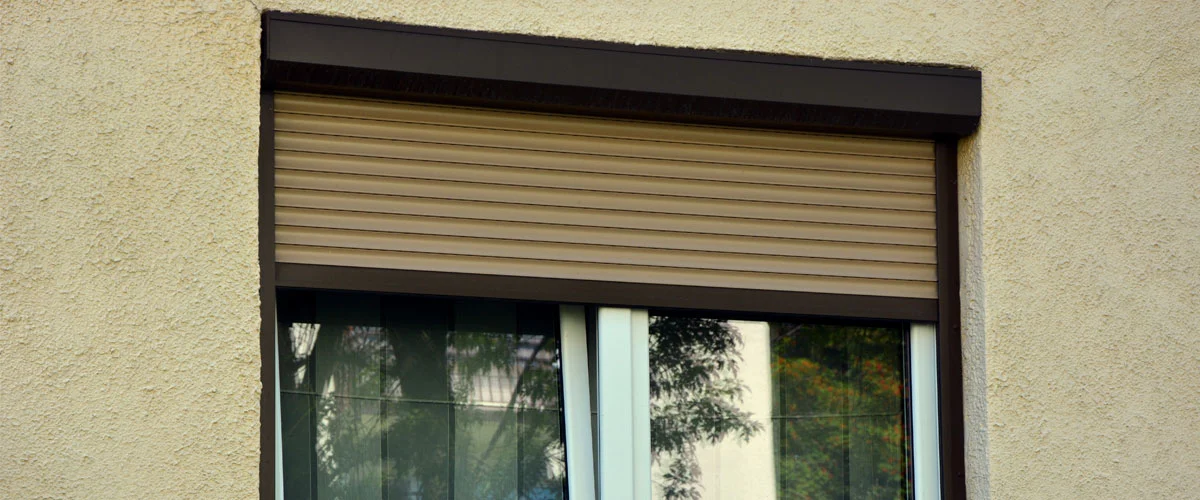
Window roller shutters are a popular addition to Australian homes, offering benefits such as improved security, thermal insulation, noise reduction, and privacy. Built to handle harsh weather and daily use, roller shutters are designed for long-term performance. However, like any mechanical system, they can develop issues over time due to wear, environmental exposure, or lack of maintenance.
Understanding common window roller shutter problems helps homeowners identify early warning signs, avoid unnecessary damage, and take timely action. Addressing issues early often prevents more expensive repairs or full replacements later. Below are six of the most common window roller shutter issues faced by Australian homeowners, along with practical solutions.
1. Shutter Not Operating Smoothly
The problem: One of the most common complaints is a shutter that fails to open or close smoothly. It may stop midway, struggle to move, or operate unevenly on one side.
Why it happens: This issue often occurs due to debris lodged in the guide rails, misaligned components, or strain on the motor in electric shutters. Over time, dust, insects, and outdoor grime can build up in the tracks, especially in coastal or high-wind areas.
The solution: Inspect the guide rails for visible obstructions and gently clean them using a soft brush or cloth. Avoid using excessive water or pressure. If the shutter continues to malfunction, the issue may involve internal components or motor wear, which requires professional assessment.
2. Shutter Getting Stuck or Jammed
The problem: A shutter that becomes stuck in one position can compromise both security and insulation. This is particularly concerning if the shutter is jammed halfway.
Why it happens: Common causes include bent guide rails, slats shifting out of alignment, or corrosion in older systems. Exposure to moisture and salt air can accelerate this issue in some Australian regions.
The solution: Do not force the shutter, as this can damage the motor or slats. Light cleaning may help in mild cases, but jammed shutters usually indicate alignment or structural issues that should be corrected by a technician.
3. Unusual Noises During Operation
The problem: Grinding, rattling, or squeaking sounds during operation often signal that something is wrong internally.
Why it happens: Noises typically result from worn components, loose fittings, or debris inside the shutter box. Over time, moving parts may lose lubrication or shift slightly due to repeated use.
The solution: Occasional servicing can resolve minor noise issues through adjustment and lubrication. Persistent or worsening sounds suggest internal wear and should be inspected early to prevent motor or component failure.
4. Remote Control or Wall Switch Not Working
The problem: Electric roller shutters may stop responding to remote controls or wall switches, leaving the shutter unusable.
Why it happens: The issue may be as simple as flat remote batteries or as complex as electrical faults, wiring issues, or motor control failure.
The solution: Start by checking the power supply and replacing remote batteries. If the shutter still does not respond, professional electrical inspection is necessary. Electrical faults should never be handled without proper expertise.
5. Shutter Slats Looking Uneven or Damaged
The problem: You may notice dents, warped slats, or uneven movement when opening or closing the shutter. This affects both appearance and performance.
Why it happens: Slat damage can occur due to impact, weather exposure, or gradual wear. Incorrect tension or misalignment can also cause slats to sit unevenly.
The solution: Minor cosmetic damage may not affect operation, but structural damage often requires slat replacement to restore smooth movement and maintain security. Early repair helps avoid further strain on the shutter system.
6. Shutter Operating Slowly or Losing Power
The problem: A shutter that moves slower than usual or struggles to lift fully often signals declining performance.
Why it happens: This may be caused by motor fatigue, increased friction from dirt buildup, or ageing internal mechanisms. Older motors may struggle after years of daily use.
The solution: Timely servicing can sometimes restore normal operation. If the motor is nearing the end of its lifespan, replacement may be the safest and most cost-effective solution.
Why Regular Maintenance Matters?
Routine maintenance plays a key role in extending the life of window roller shutters. Simple actions such as keeping guide rails clean and scheduling periodic servicing can prevent many of the issues listed above.
Professional maintenance also ensures that motors, slats, and internal components remain properly aligned and functional. This helps maintain insulation performance, reduces noise, and ensures shutters continue to provide reliable security.
When to Call a Professional?
While basic cleaning can be handled at home, most mechanical or electrical issues require professional attention. Attempting repairs without the right tools or knowledge can cause further damage or create safety risks.
Qualified roller shutter technicians can accurately diagnose problems, perform repairs safely, and advise on whether servicing or replacement is the best option.
Conclusion
Window roller shutters are a long-term investment in comfort, security, and energy efficiency. Like any system, they perform best when issues are identified early and addressed correctly. Ignoring warning signs such as unusual noises, slow movement, or jamming can lead to more costly repairs down the line.
For Australian homeowners looking for reliable roller shutter repairs, servicing, or replacements, connect with us at Elite Roller Shutters. With experience across manual and electric roller shutters, Elite Roller Shutters focuses on quality workmanship, honest advice, and long-lasting results. Whether your shutters need minor adjustments or complete servicing, our expert support can help keep them operating smoothly for years to come.
 1300 919 999